





How to choose a 2000W pure sine wave inverter for heavy loads?
When selecting a 2000W pure sine wave inverter capable of handling heavy loads, it's essential to consider specific factors to ensure optimal performance and reliability. Below are six frequently asked questions by beginners, along with detailed answers to guide your decision-making process.
1. What is the significance of surge power in a 2000W pure sine wave inverter, and how does it affect heavy load handling?
Surge power, also known as peak power, refers to the maximum wattage an inverter can supply for a short duration, typically 2-3 seconds, to accommodate the initial startup demands of appliances with motors or compressors. For instance, a refrigerator may require 150W during operation but surge up to 450W upon startup. Choosing an inverter with a surge capacity that exceeds the combined surge requirements of all connected devices ensures reliable operation without overloading the system.
2. How do I calculate the total wattage requirements for my appliances to determine the appropriate inverter size?
Begin by listing all appliances you intend to power simultaneously, noting their running (continuous) and surge (startup) wattages. Sum the running watts to determine the continuous load and the highest surge wattage to identify the peak load. For example, if your appliances require 1,500W continuously and have a combined surge of 3,000W, an inverter with at least 2,000W continuous and 4,000W surge capacity would be suitable. It's advisable to select an inverter with a continuous power rating 20-30% higher than your total running wattage to accommodate any unforeseen power fluctuations.
3. What are the advantages of pure sine wave inverters over modified sine wave inverters for heavy load applications?
Pure sine wave inverters produce a clean, smooth output waveform identical to or better than utility-supplied power, making them ideal for sensitive electronics and appliances. They prevent issues such as overheating, buzzing, or reduced efficiency that can occur with modified sine wave inverters. For heavy load applications, pure sine wave inverters ensure that devices like refrigerators, air conditioners, and power tools operate efficiently and have a longer lifespan.
4. How does battery voltage selection impact the performance and efficiency of a 2000W pure sine wave inverter?
The battery voltage determines the inverter's efficiency and the size of the wiring required. For a 2000W inverter, a 24V or 48V battery system is recommended, as higher voltage systems reduce current flow, allowing for thinner wires and less energy loss. Additionally, higher voltage systems can handle larger loads more efficiently, making them suitable for heavy-duty applications.
5. What safety features should I look for in a 2000W pure sine wave inverter to protect against overloads and short circuits?
Essential safety features include:
Overload Protection: Automatically shuts down the inverter when the load exceeds its capacity, preventing damage.
Short Circuit Protection: Detects and responds to short circuits by disconnecting the output to avoid further issues.
Over/Under Voltage Protection: Safeguards the inverter and connected devices from voltage fluctuations outside safe operating ranges.
Over Temperature Protection: Activates cooling mechanisms or shuts down the inverter if it overheats, ensuring longevity and safe operation.
These features are crucial for maintaining the safety and reliability of the inverter, especially when powering heavy loads.
6. How can I ensure the inverter's efficiency aligns with my energy consumption goals?
Inverter efficiency indicates the percentage of DC power converted to usable AC power. For a 2000W pure sine wave inverter, look for models with efficiency ratings above 90%, as higher efficiency reduces energy loss and minimizes heat generation. This is particularly important when operating heavy loads, as it ensures that more of the battery's energy is effectively utilized, extending battery life and reducing operational costs.
Conclusion
Selecting the right 2000W pure sine wave inverter for heavy loads involves careful consideration of surge power, accurate calculation of total wattage requirements, preference for pure sine wave output, appropriate battery voltage selection, essential safety features, and high efficiency. By addressing these factors, you can ensure reliable and efficient power for your heavy-duty applications.
For personalized recommendations and a detailed quote, please contact us at info@csinverter.com or visit our website at www.csinverter.com.


Modified Sine Wave Inverters
What power range of devices can it supply?
It supports devices within 360W in UPS mode and within 500W in regular mode. Ensure the device power does not exceed the corresponding limit.
Do you support OEM branding?
Yes, we offer logo, packaging, and label customization.
Can it drive a 3000W air conditioner?
Yes. Air conditioners have instantaneous power during startup (about 2-3 times the rated power), and this product has a peak power of 6000W, which can meet the startup and operation needs of a 3000W air conditioner; the battery capacity must be ≥150Ah to ensure continuous power supply.
What is the benefit of the UPS function? A2:
It automatically switches to battery power when AC fails.
Distributor
What kind of support can I expect from Feifan after becoming a distributor?
You will receive ongoing sales support, product training, technical assistance, and marketing resources to ensure your success.
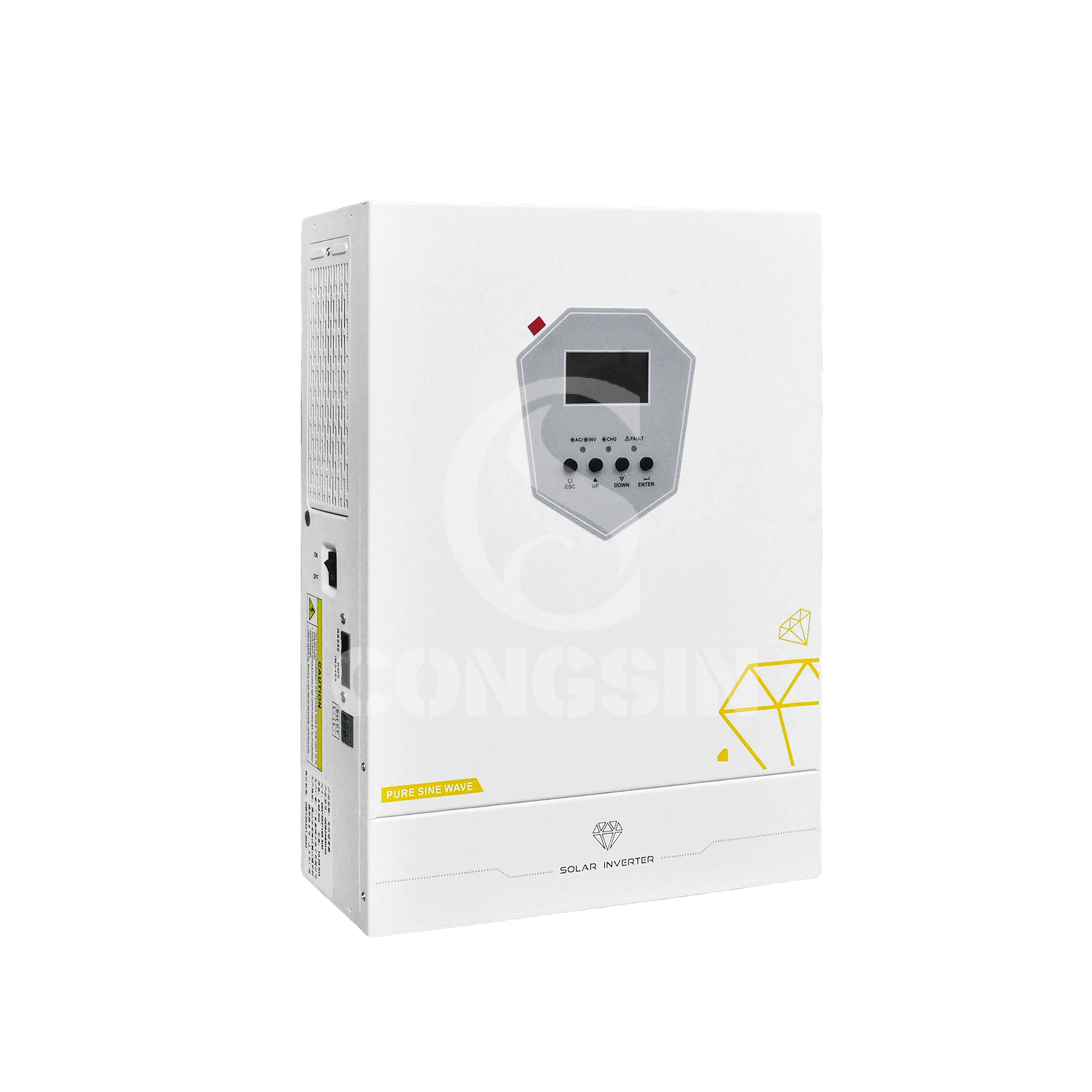
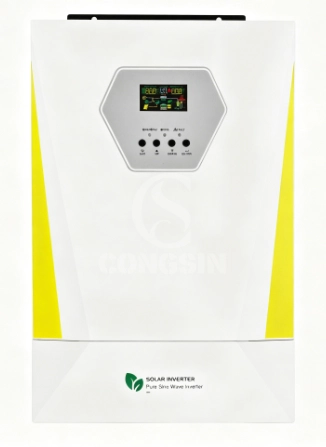
Power your solar system efficiently with the Congsin 4000W and 6000W Hybrid Inverter. Featuring an integrated MPPT Controller, this CE Certified inverter ensures optimal energy conversion. Monitor performance effortlessly via the intuitive LCD Display. Reliable, powerful, and ready for your sustainable energy needs.
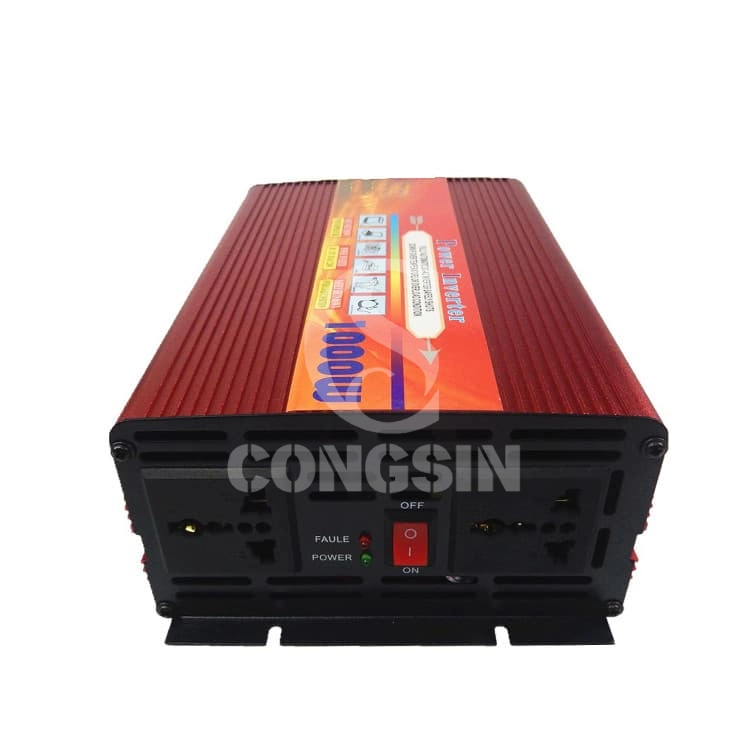
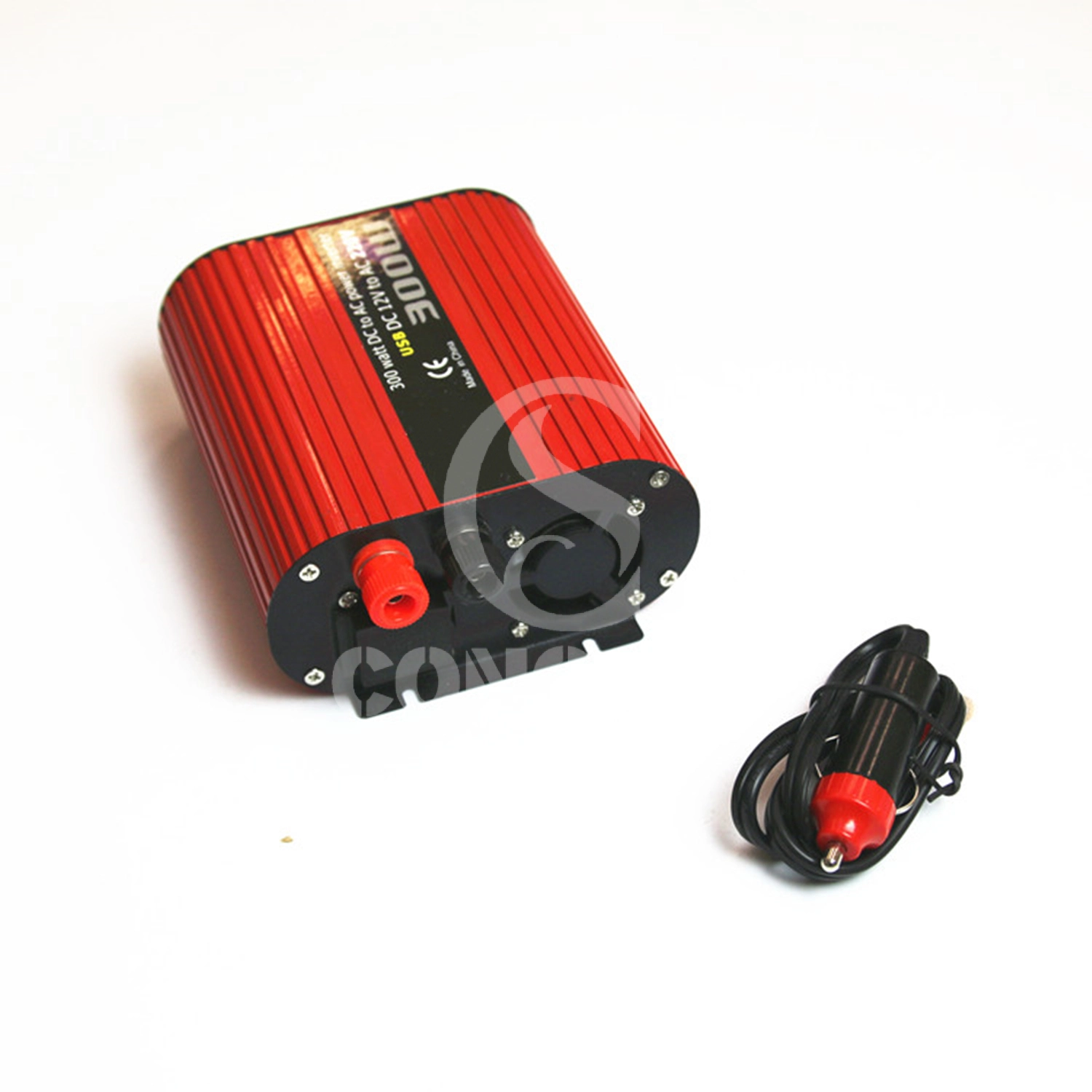
Congsin's Portable 150W Modified Sine Wave Inverter powers your journey! This versatile Car Power Inverter with USB acts as a reliable 12V to 220V converter, ensuring an essential off-grid power supply. With dual USB ports and a universal socket, enjoy convenient power on the go.
Get in Touch with Our Team
You can also communicate with us directly through our online contact form. Please fill in the following information, and our team will contact you as soon as possible after receiving your message.

CONGSIN is a trusted OEM factory for power inverters, solar charge controllers, and DC converters. Reliable solutions for global B2B buyers.
 High Quality
 7/24 Service
 Guaranteed Warranty
© 2025 Congsin. All Rights Reserved.
 WeChat
 Scan QR Code
sin cong
teaimei10
Whatsapp: +8618028086791
Scan QR Code